


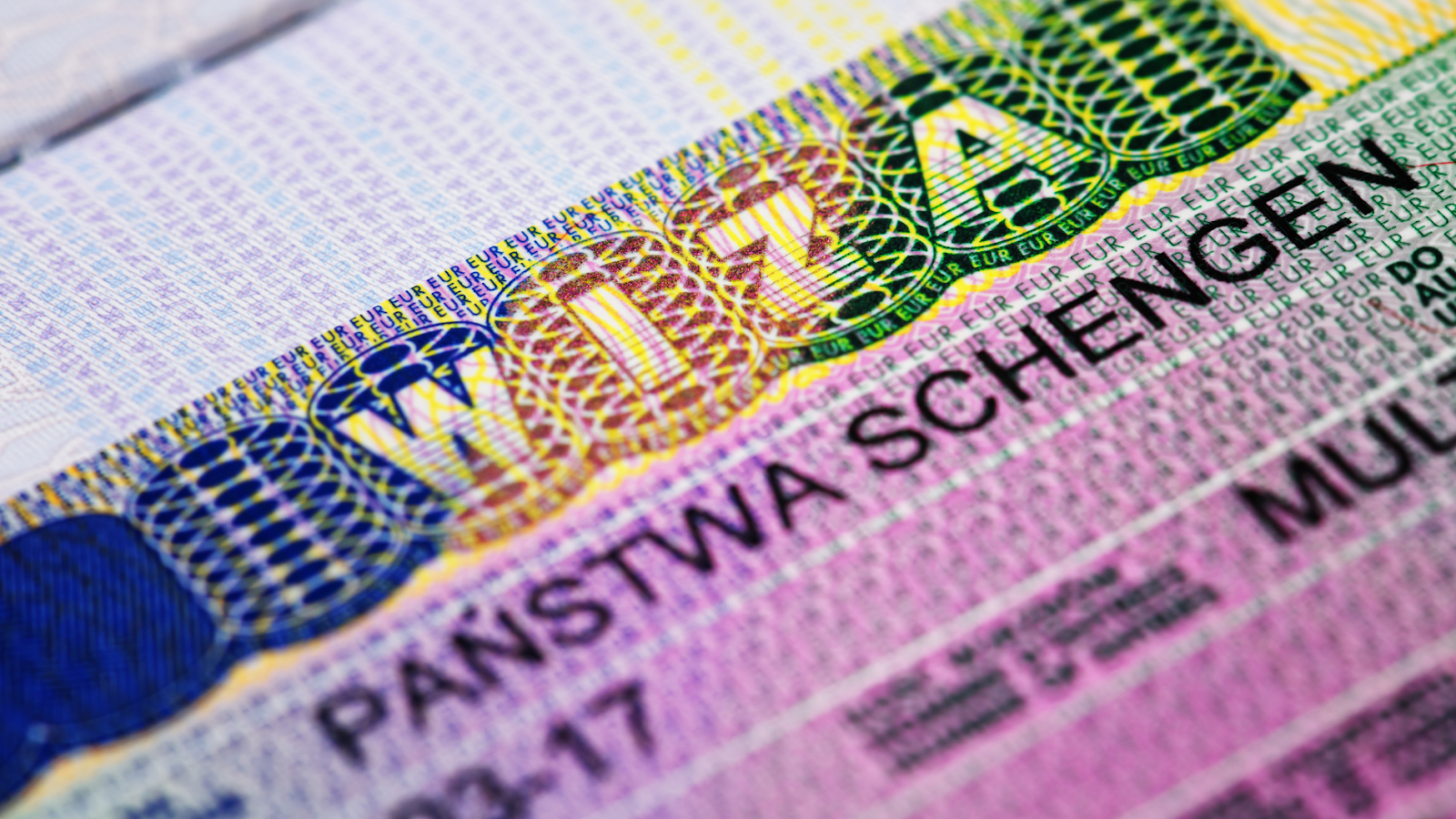
Schengen Visa Online Application: Essential Tips for South Africans
Planning a trip to Europe as a South African requires a bit more preparation, especially when it comes to applying for a Schengen visa. Whether you are heading to France, Italy, Spain, or any of the 27 Schengen Area countries, obtaining a visa is an essential part of your travel process. Thankfully, the online application process for a Schengen visa is straightforward if you follow the correct steps and avoid common mistakes. In this guide, we’ll provide essential tips on how to fill out the application form, get all your documents in order, and successfully apply for your Schengen visa.
Understanding the Schengen Visa
A Schengen visa allows South Africans to travel freely across the Schengen Area for up to 90 days within a 180-day period. This visa is typically for short stays, including holidays, business trips, or visiting family and friends.
Countries in the Schengen Area include popular destinations like France, Germany, Italy, and Spain, but it’s important to remember that the United Kingdom and Ireland are not part of the Schengen Zone. If your trip includes the UK or Ireland, you will need a separate visa for those countries.
Step 1: Choosing the Right Schengen Visa Type
Before applying, it’s essential to determine which type of visa you need. The most common visa for South Africans is the short-stay visa (Type C). Here are some of the available Schengen visa types:
- Tourist visa: For holidays and leisure trips.
- Business visa: For attending meetings, conferences, or other work-related activities.
- Family visit visa: If you’re visiting relatives in the Schengen Area.
- Medical visa: For short-term medical treatments.
It’s important to select the correct visa type because each one may require specific documentation. Misfiling or choosing the wrong category could lead to delays or rejection.
Step 2: Completing the Schengen Visa Online Application Form
Once you’ve selected the visa type, it’s time to start filling out the online application form. Here’s a breakdown of what you need to know:
a. Personal Information
The form will ask for your full name, date of birth, nationality, and passport information. Make sure all the details match your passport exactly. Any discrepancies, no matter how minor, can cause issues.
b. Travel Plans
You will also need to provide details of your travel plans, including the countries you plan to visit and your primary destination. The primary destination is the country where you’ll spend most of your time or where the main purpose of your travel lies. If you’re attending a conference in Germany, for instance, Germany will be your primary destination.
Make sure that your itinerary is consistent with your flight bookings and accommodation reservations. Any discrepancies may raise concerns with visa officers.
c. Clear Purpose of Travel
Stick to one purpose of travel. If you’re applying for a tourist visa, avoid mentioning business or family visits. Mixing purposes can complicate your application.
d. Visa Duration
Choose a visa duration based on your travel plans. If you’re only travelling for a two-week holiday, it isn’t necessary to apply for a 90-day visa. Asking for more time than needed might seem suspicious.
Step 3: Ensure All Documents Are in Order
Gathering the correct documents is crucial for a successful visa application. Below is a list of what you’ll need as a South African applicant:
a. Valid Passport
Your passport must be valid for at least three months after your planned departure from the Schengen Area. It also needs to have at least two blank pages for the visa.
b. Flight Itinerary
Submit proof of your round-trip flight bookings. This can be in the form of a reservation or confirmed ticket showing your entry and exit dates.
c. Accommodation Details
You’ll need to provide proof of accommodation for your entire stay. This can include hotel reservations or an invitation letter if you’re staying with family or friends.
d. Travel Insurance
Travel insurance is mandatory for Schengen visa applications. Your policy must cover medical emergencies, hospitalisation, and repatriation, with a minimum coverage of R600,000. Make sure the policy is valid for all Schengen countries and for your entire stay.
e. Proof of Financial Means
To show that you can financially support yourself during your trip, you’ll need to submit recent bank statements (from the past three to six months). The consulate may ask for additional proof, like a letter from your employer or a sponsor’s financial details if someone else is covering your expenses.
f. Visa Fee Payment
For South Africans, the Schengen visa application fee is €80, which is approximately R1,600, depending on the exchange rate. This fee is non-refundable, even if your application is denied. Always check with the relevant consulate or visa centre for their preferred payment method, as this can vary.
Step 4: Avoid Common Application Mistakes
A small mistake can lead to visa denial or delays. Here are common pitfalls to avoid:
a. Inconsistent Information
Ensure that all the details you provide on your form, supporting documents, and travel itinerary match. For example, if your accommodation booking states you’re staying from the 5th to the 10th of November, your flight dates should reflect this.
b. Submitting Incomplete Documents
Double-check that all the required documents are included. If you’re unsure about what’s needed, consult the consulate’s website for updated guidelines.
c. Applying at the Last Minute
Processing times for Schengen visas can vary, so apply well in advance of your trip. The recommended timeframe is at least four weeks before your departure, but you can apply as early as six months before your travel date.
d. Low-Quality Passport Photo
Your visa application requires a recent passport-size photo with a plain background and a neutral expression. The photo must meet specific size requirements (typically 35mm x 45mm). Poor-quality photos can result in rejection.
Step 5: Attend Your Visa Appointment
After submitting your online application, you’ll need to book an appointment at the relevant embassy, consulate, or visa application centre to submit your biometric data (fingerprints and photos). Make sure you arrive on time and bring all the required documents.
Step 6: Track Your Application
After submitting your application, you can track its progress through the consulate’s system. Most Schengen visas are processed within 15 working days, but it can vary depending on the time of year or the specific consulate. Avoid making non-refundable travel plans until your visa is approved.
Final Thoughts
For South Africans, applying for a Schengen visa doesn’t need to be a stressful experience. By following these steps, submitting accurate information, and being well-prepared, you can significantly increase your chances of success. Remember to start early, stay organised, and double-check your documents for a smooth application process. With the right preparation, you’ll soon be exploring the wonders of Europe.